Preventing Security Camera Tampering and Theft Strategies
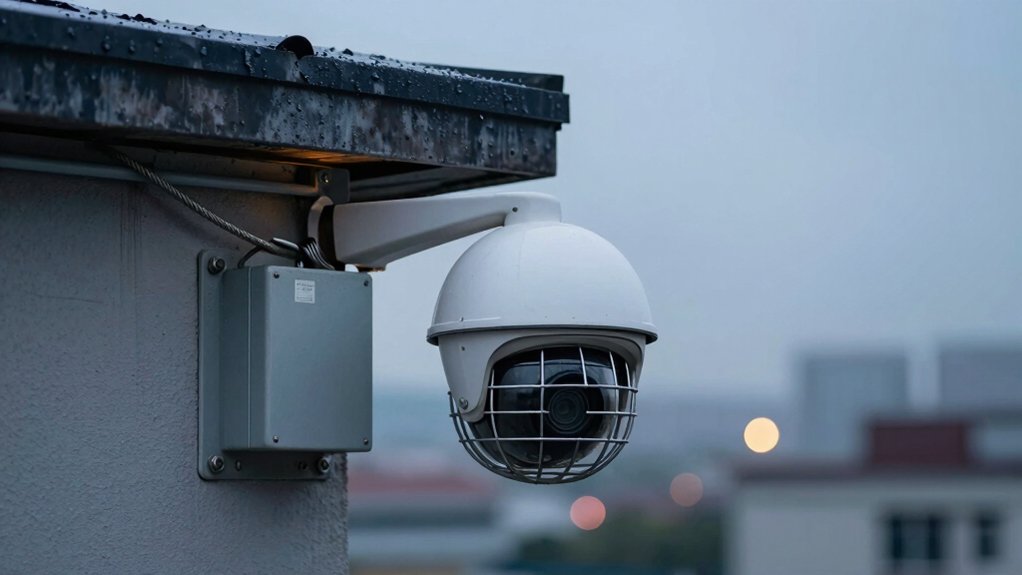
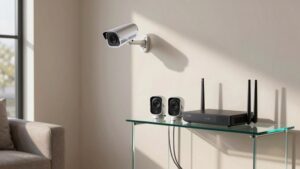
You should mount cameras high (3–4 m) or on poles/trees so they’re visible but out of reach. Use IK10 vandal domes and locking brackets with tamper screws. Run concealed wiring in conduit to locked power/recorder enclosures.
Enable firmware signing, secure boot, encrypted storage, UPS power, and on-device plus cloud backups. Configure automated tamper detection with instant SMS/email alerts and routine inspections.
Follow these controls to harden systems and reduce downtime; continue for practical placement, hardware, and response steps.
Preventing Security Camera Tampering and Theft Strategies: You should mount cameras high (3–4 m) or on poles/trees so they’re visible but out of reach. Use IK10 vandal domes and locking brackets with tamper screws. Run concealed wiring in conduit to locked power/recorder enclosures. Enable firmware signing, secure boot, encrypted storage, UPS power, and on-device plus cloud backups.
Quick Camera-Security Checklist: 5 Actions You Can Do Today
Want to secure your cameras today with minimal tools and disruption? Start by mounting vandal-resistant IK10 cameras 3–4 meters high to reduce camera failure risks while preserving coverage.
Second, fit tamper-resistant hardware: Torx screws, locking brackets; and conceal mounting points so removal takes tools and time.
Third, enable tamper detection, immediate alerts (email/SMS), and automatic cloud backups to ensure footage survives attacks and supports chain-of-evidence needs for legal compliance considerations.
Fourth, route cables through walls or conduits; use wireless models where cabling would remain exposed, minimizing cut or splice vulnerabilities.
Fifth, pair visible deterrents: warning signs, motion-activated lights with cross-monitoring placements so cameras observe one another and discourage interference.
Implement these five actions today: adjust heights, swap fasteners, configure alerts/backups, secure cabling or go wireless, and add deterrents plus overlapping coverage. Each step targets prevention, evidence preservation, and compliance without significant downtime or specialized equipment.
Where to Place Cameras: Visible but Out of Reach
How high should you mount cameras so they’re both visible and out of reach? Mount cameras at elevations of at least 3–4 meters on walls, under eaves, or roof overhangs to achieve an effective placement strategy that balances visibility with tamper deterrence.
Use poles or mature trees that are difficult to climb and orient cameras downward with wide sightlines to cover vulnerable approaches from above. Design placements so cameras are conspicuous enough to deter opportunistic interference but high enough to prevent manual access. Limit maintenance access via locked ladders or controlled service windows and document authorized access procedures.
Select mounting locations that preserve image angle and coverage; avoid deep overhang shadows or glare that reduce identification capability. While you should plan for vandal-proof housings and secure hardware, focus placement decisions on elevation, sightline optimization, and access control to maximize deterrence and operational uptime.
Record coordinates and service intervals for each elevated unit to support ongoing tamper prevention.
Pick Tamper‑Resistant Mounts, Housings, and Screws
Select tamper-resistant mounts, housings, and fasteners that materially increase the time and tools required for removal: use locking mounting brackets and weatherproof enclosures. Install IK10-rated vandal-proof domes to resist impact while hiding lens orientation. Secure fixtures with six-point star Torx tamper screws to deter casual theft. You should specify tamper-resistant mounts that limit access points and force attackers to deploy specialty tools.
Choose housings rated for weather and vandal resistance. IK10 domes absorb impacts and conceal pan/tilt positions so attackers can’t easily aim disabling blows. Use tamper-resistant screws—six-point Torx variants—on all external fixtures, and recess or shield screw heads where possible. Mount high and pair with locking brackets to lengthen escalation time.
Require installers to verify torque, seal integrity, and correct fastener selection to avoid field substitutions. These measures don’t make devices invulnerable; however, they raise attacker effort, decrease chance of successful tampering, and improve overall system resilience.
Secure Camera Wiring, Power, and Recording Devices
Where will attackers try to cut or disable your system: along exposed cable runs, at unsecured power outlets, or at an accessible recorder? How will you harden those points? You’ll run secure wiring in conduits or inside walls. You will conceal power in locked enclosures and minimize exposed terminations. Use SSDs for local recording to reduce mechanical failure and tamper surface.
Enable encryption at rest and verify firmware signing to prevent malicious code from altering footage. Implement power redundancy: UPS or backup feeds will keep cameras and NVR/DVRs recording through outages. Combine cloud-backed backups with on-site SSD/NVR paths to preserve recording integrity if hardware is stolen or destroyed.
| Threat vector | Mitigation |
|---|---|
| Exposed cables | Conduit, in-wall routing |
| Power outlets | Locked enclosures |
| Recorder access | Physically secure cabinet |
| Storage failure | SSD local + cloud backup |
| Firmware attack | Firmware signing + integrity checks |
Configure Tamper Detection, Alerts, and Redundant Recording
Resilience starts with automated tamper detection, real-time alerts, and redundant recording that together guarantee you will capture and preserve evidence even when an attacker tries to disable a camera. You will configure tamper detection to trigger immediate notifications and automatic cloud backups when sensors report obstruction, lens movement, or signal loss.
Enable real time alerts via SMS and email; route notifications to responders and your monitoring platform to shorten detection to response intervals. Implement redundant recording by pairing on-device encrypted storage with cloud backups so footage survives local compromise. Use firmware signing and secure boot to prevent unauthorized firmware that could disable detection or recording.
Validate data integrity with automated checksums and tamper-evident logging so any alteration to metadata or streams is flagged and timestamped. Test the full chain: sensor, alert, on-device retention, transfer, and cloud restore regularly. Maintain concise incident playbooks that instruct responders to preserve devices and pull authenticated backups for forensic review.
Use Lighting, Signage, and Environmental Design to Deter Theft
How can lighting, signage, and thoughtful landscaping reduce camera tampering and theft? You’ll deploy deliberate lighting design, signage, and environmental cues to increase perceived risk and reduce concealment.
Install motion-activated fixtures to eliminate dark approaches and maintain consistent illumination at mounting points; this removes hiding spots and improves image quality for identification. Place clear, weatherproof surveillance signs at street level and at each high-risk access point: doors, windows, alleys; this communicates monitoring and legal exposure.
Use low shrubs, trimmed hedges, and uncluttered sightlines so vegetation doesn’t provide reach or cover. Position plantings outside camera field-of-view and access perimeter. Combine exterior lighting and visible tamper-detection indicators so deterrence operates day and night.
Tailor placement density to vulnerability: concentrate fixtures and signage where assets and entry routes cluster. You’ll verify spacing, lumen levels, and sign visibility during a site walk to ensure interventions measurably reduce tamper and theft opportunities.
Maintain Cameras: Inspections, Firmware Signing, and Incident Response
Good lighting, clear signage, and thoughtful landscaping reduce opportunities for tampering. However, sustained protection depends on disciplined maintenance, firmware controls, and fast incident handling. You should schedule and document routine inspections to verify the physical integrity of mounts and housings, check for loosened fasteners, and corrosion. Additionally, confirm tamper-detection features remain active; this preserves inspections effectiveness and creates an audit trail.
Maintain firmware signing processes: store signing keys securely, validate update signatures, and restrict who can generate or deploy firmware to ensure only authorized updates run on cameras. Configure incident response to trigger immediate tamper alerts via email or text and to back up footage to the cloud automatically so you preserve evidence in real time.
After an event, collect logs, recorded media, and inspection records. Then perform root-cause analysis and remediate vulnerabilities. These preventative, procedural measures reduce downtime, prevent unauthorized software installation, and strengthen your ability to investigate and deter future tampering.
Frequently Asked Questions
Can Insurance Cover Camera Theft or Tampering Losses?
Yes, you can often claim losses from camera theft or tampering under insurance coverage, but you’ll need to review policy limitations carefully. You should document damage, file police reports, and provide timestamps or maintenance logs.
Commercial or homeowner policies may cover equipment replacement and vandalism; yet deductibles and exclusions (e.g., negligence, inadequate mounting) can apply. Proactively combining clear preventive measures with detailed records strengthens your claim and reduces denial risk.
What Laws Apply to Recording on Private Property?
You can generally record on private property if you respect privacy consent and comply with lawful installation requirements. You’ll need to avoid areas where people expect privacy, such as bathrooms and bedrooms. Additionally, you must obtain explicit consent for audio in two-party consent states.
Check local statutes for surveillance, data retention, and notice requirements. Install cameras visibly and document consent and placement to ensure lawful installation. This will minimize liability and support evidentiary value in disputes.
How Do Drones Affect Camera Security Strategies?
Drones impact camera security strategies by introducing aerial entry points, new concealment and tampering methods, and sensor spoofing risks; you must adapt.
You’ll deploy overlapping fields of view, anti-drone geofencing, RF/jamming detection, and elevated, tamper-resistant housings. You’ll integrate acoustic and radar sensors, encrypted feeds, real-time analytics for anomalous flight patterns, and rapid-response procedures to prevent blind spots and maintain continuous, verifiable surveillance integrity.
Can Wireless Cameras Be Safely Used Outdoors?
Yes, you can safely use outdoor wireless cameras if you design for environment and threats. You’ll secure radios with strong encryption, segment networks, and harden firmware to prevent remote tampering.
For power management, you’ll choose reliable feeds: PoE or well-sealed solar with battery buffering. Monitor consumption and implement UPS failover. Mounts should resist theft and conceal cables.
Regular audits and layered defenses keep systems resilient and available.
Should I Notify Customers About Surveillance Recordings?
Yes, you should notify customers about surveillance recordings. You will protect customer privacy by posting clear signs and updating policies that explain camera locations, purpose, and data retention schedules.
Implement access controls, encryption, and limited retention periods to minimize risk. Regularly audit logs and train staff on handling footage. That preventative approach reduces legal exposure, builds trust, and ensures you process recordings lawfully and transparently.
Conclusion
You’ve covered the core preventive measures; now enforce them consistently. Regularly verify camera locations are visible yet out of reach. Ensure hardware is tamper‑resistant, wiring and recorders are secured, and firmware is signed and current. Configure tamper detection, alerts, and redundant recording so you don’t rely on a single layer.
Use lighting, signage, and CPTED principles to deter theft. Schedule inspections, log incidents, and refine controls immediately after any compromise. Stay proactive.
Related reading: Network Security Basics — a closer look at this topic.