Indoor Security Camera Placement for Apartments and Privacy Zones
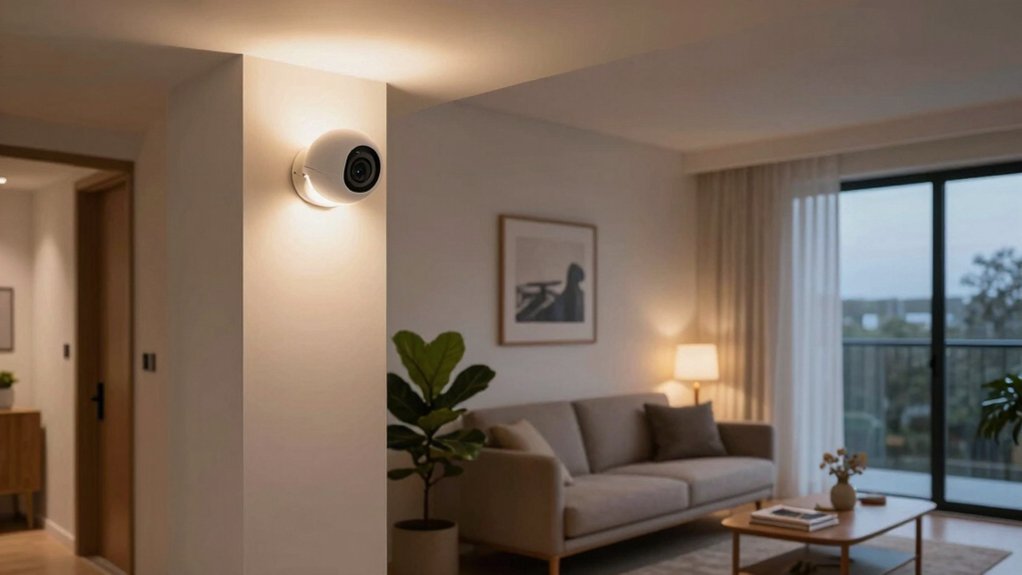
Place indoor cameras to cover entrances, hallways and stairs from corners about 8–10 feet high so you capture faces and doorways without wide blind spots. Use vandal-dome or small fixed cameras; set slight downward angles and enable privacy zones to block bedrooms, bathrooms and neighboring interiors.
Get written tenant or landlord consent where required and document placement. Keep wiring neat, lighting even and schedule checks. Keep going to learn specific mounting spots and legal tips.
Indoor Security Camera Placement for Apartments and Privacy Zones: Place indoor cameras to cover entrances, hallways and stairs from corners about 8–10 feet high so you capture faces and doorways without wide blind spots. Use vandal-dome or small fixed cameras; set slight downward angles and enable privacy zones to block bedrooms, bathrooms and neighboring interiors.
Quick Overview
- Mount dome cameras in corners opposite doors at 8–10 feet to cover entries and maximize 160–180° common-area views.
- Prioritize high-traffic zones (main entrances, hallways, stairwells, kitchen peripheries) while avoiding bedrooms and bathrooms entirely.
- Configure and document privacy zones to block views into neighboring units and private interiors.
- Obtain written tenant consent or landlord approval per lease and local law before recording shared interior or exterior common areas.
- Use vandal-dome, IR-capable cameras with discreet wiring, even lighting, overlapping fields; conduct regular maintenance checks.
Apartment Cameras: Top Areas to Prioritize (Entrances, Hallways, Stairs)
Wondering where to point your indoor camera first? You’ll want apartment cameras focused on high-traffic zones: main entrances, hallways, and stairwells. Mount cameras eight to ten feet high in corners to maximize field of view, deter tampering, and cover up to 180 degrees of common space.
Prioritize entry points and corridors so you can see who arrives, where they move, and whether valuables are approached. Use corner placements to minimize blind spots without creating unnecessary surveillance of private rooms. Avoid bedrooms and bathrooms entirely; those are off-limits privacy zones.
Also monitor interior staircases and shared corridors to catch movement between levels and protect routes intruders might use. Keep placement practical: think sightlines, lighting, and ease of maintenance. With careful positioning, you’ll get comprehensive coverage of communal paths while respecting residents’ private spaces and maintaining clear, focused monitoring for safety.
Legal Privacy Rules for Apartment Cameras (Tenant Consent & Limits)
How can you place cameras in an apartment without crossing legal or ethical lines? You must get tenant consent when cameras could capture shared interior spaces or other residents’ doors. If you’re a tenant, check lease terms and get written landlord approval for exterior or common-area cameras. Landlords should respect ownership and tenancy boundaries.
Avoid bedrooms, bathrooms, and any angle that looks through a neighbor’s window. Use privacy zones in camera settings to block views of adjacent units, private interiors, or windows. Position devices toward entryways, hallways, or living areas only when lawful.
Verify permissions before installing exterior cameras; common practice places them at entrances, parking lots, walkways, and perimeters. Ensure footage serves clear security goals and avoid continual monitoring of private spaces.
If disputes arise, rely on written consents, lease clauses, and local statutes. When in doubt, consult a lawyer or building management to prevent unlawful recording and protect everyone’s privacy.
Place Cameras to Protect Privacy: Practical Tenant-Friendly Techniques
Where should you aim your cameras to bolster safety without invading anyone’s privacy? Place cameras to cover entry points and high-traffic common areas: living rooms, kitchens, and hallways. Avoid off-limits spaces like adult bedrooms and bathrooms to protect tenant privacy. Use corners opposite entryways mounted at eight to ten feet to maximize coverage and reduce tampering.
Configure privacy zones in your camera software to block views of neighboring units or private areas. Document those zones and keep records in case of complaints. Choose unobtrusive, weatherproof indoor models or vandal-dome designs that blend with décor so tenants feel comfortable.
Share clear policies with tenants about camera locations, recording practices, and access to footage. Obtain required consents and respect legal limits. Regularly review camera placement and privacy-zone settings after tenant turnover or layout changes to ensure ongoing compliance. This maintenance helps to preserve trust while ensuring effective monitoring.
Best Mounting Spots, Heights, and Angles to Capture Faces and Doors
Why aim cameras high and toward entryways? You’ll get broad views, tamper resistance, and better face capture at doors when cameras sit about eight to ten feet high. Mount in corners opposite entry doors to maximize hall and living-area coverage while respecting privacy zones. Avoid bedrooms and bathrooms.
| Mount Spot | Height | Purpose |
|---|---|---|
| Corner opposite door | 8–10 ft | Wide view of entry and room |
| Staircase landing | 8–10 ft | Track movement between floors |
| Kitchen periphery | 8–10 ft | Monitor high-traffic area |
Use overlapping views so faces are visible from multiple angles, and blind spots are reduced. Choose unobtrusive vandal-dome indoor cameras to blend with decor and maintain wide-angle capture without drawing attention. Be mindful of lighting considerations near entryways so faces aren’t silhouetted. Adjust angles slightly down from high mounts to center faces in frame.
These placements protect shared spaces and honor tenant privacy.
Hardware & Environment Tips: Lighting, Tamper Resistance, Wiring, Maintenance
Want cameras that keep working and respect everyone’s privacy? Choose hardware and set up the environment to balance reliable monitoring with privacy ethics and tenant consent. Mount cameras high (8–10 ft) in corners opposite doors to reduce blind spots and tamper risk. Prefer vandal-dome models for unobtrusive coverage of living areas, halls, stairs, kitchens, and entry points. Avoid bedrooms and bathrooms.
Ensure even lighting and use IR-capable devices for low-light rooms so facial capture remains clear without intrusive lights. Secure wired power or discreet wiring routes; test connectors and label lines for straightforward maintenance.
Use mounting anchors and tamper shields. Schedule regular physical checks to detect loosened mounts or blocked views. Document placement and get tenant consent in shared units. Keep storage, access logs, and retention policies aligned with privacy ethics.
You’ll get dependable footage for safety and pet monitoring while minimizing privacy impact and maintenance surprises.
Common Placement Mistakes to Avoid (Windows, Sky, Behind Foliage)
Ever wondered why a camera that looks good on paper performs poorly in practice? Placing cameras aimed through windows creates glare, reflections, and limited angles that degrade images. This can capture neighbors or public spaces; so avoid windows for monitoring outdoors.
Don’t tuck devices in or just behind foliage indoors. Leaves, branches, and seasonal growth obstruct views, create blind spots, and let intruders exploit gaps. Hidden placements behind curtains or dense plants sound clever; however, they still leave unpredictable openings and make maintenance harder. Also, steer clear of bathrooms and bedrooms to respect privacy and common guidelines.
Instead, focus on high-traffic interior zones: hallways, living rooms, and entryways. Use overlapping coverage to compensate for furniture or small obstructions. Mount at shoulder-to-ceiling height, test angles at different times of day, and check footage regularly. These choices keep image quality reliable, protect privacy, and reduce the chance that environmental factors or poor concealment will undermine your security setup.
Frequently Asked Questions
Can Cameras Record Audio Without Tenant Consent?
No, you generally can’t record audio without tenant consent. Laws vary, but privacy concerns and consent requirements often bar hidden audio in private spaces. You should get clear, documented consent before enabling microphones. Additionally, disclose recording locations and purposes.
Even with notice, avoid audio in bathrooms and bedrooms. If you’re unsure, consult local statutes or an attorney to ensure compliance and respect tenants’ privacy rights.
How to Secure Recorded Footage From Remote Hackers?
You secure recorded footage from remote hackers by encrypting video at rest and in transit, using strong passwords, two-factor authentication, and role-based access controls to limit who can view files.
Keep firmware updated; disable unused services; and use a private VPN or VLAN for camera traffic. Maintain security backups off-site and test restores regularly. Audit logs and revoke credentials promptly if you suspect compromise to protect tenant privacy.
Do Motion Zones Affect Tenant Privacy Settings?
Yes, motion zones can affect tenant privacy settings. You’ll set motion zones to exclude private areas, so cameras only record where allowed. That lets you limit alerts, reduce stored footage, and honor tenant privacy settings while keeping security coverage.
You should document zones, get tenant consent, and use devices that enforce privacy settings and encrypted storage. Regularly review and update motion zones to match changing layouts and occupant needs.
Can Renters Request Camera Removal or Relocation?
Yes, you can request camera removal or relocation. Your privacy rights matter, and you should raise concerns with your landlord; cite tenant consent and where cameras invade private spaces.
Ask for relocation to common-area views or removal if cameras record inside your unit or areas like bedrooms. Put your request in writing, negotiate reasonable adjustments, and if needed, contact local housing authorities or a lawyer to enforce your privacy rights and tenant consent.
Are Smart Doorbells Considered Indoor Cameras Legally?
No, smart doorbells aren’t automatically treated as indoor cameras legally; they’re judged by function and placement. They can capture indoor views and trigger privacy compliance rules if they record private areas.
You should follow installation restrictions, notify occupants, and avoid recording bathrooms or bedrooms. If your device records interior spaces, you’ll need consent or clear notices and must comply with local laws and lease terms to stay privacy-focused and lawful.
Conclusion
Keep security strong while protecting privacy by prioritizing entrances, hallways, and stairs: areas that matter most. Always follow laws and get tenant consent when cameras cover shared or rented spaces.
Mount cameras at face-level angles, use proper lighting, secure wiring, and choose tamper-resistant models. Avoid windows, pointing into neighbors’ homes, or recording private areas.
Communicate placement, limit footage access, and regularly maintain devices so safety and respect go hand in hand.
Related reading: How Many Security Cameras Do I Need — a closer look at this topic.