Video Doorbell Delayed Notifications Troubleshooting
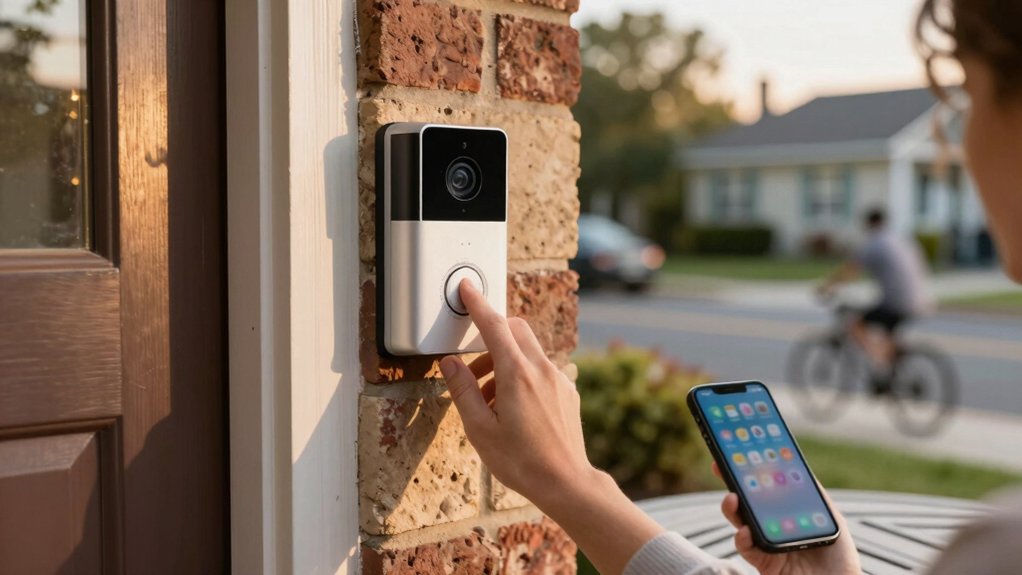
If your video doorbell notifications are delayed, first check account sign-in, device online status, and that Motion Alerts are enabled.
Verify phone notification permissions, disable Focus/Do Not Disturb, and battery savers, and set app notifications to Most Efficiency. Power cycle or fully reboot both doorbell and phone.
Try a different Wi-Fi or hotspot, and test on a second device.
If delays persist, collect device logs and timestamps before contacting support. More troubleshooting steps follow below.
Video Doorbell Delayed Notifications Troubleshooting: If your video doorbell notifications are delayed, first check account sign-in, device online status, and that Motion Alerts are enabled. Verify phone notification permissions, disable Focus/Do Not Disturb , and battery savers, and set app notifications to Most Efficiency. Power cycle or fully reboot both doorbell and phone.
What This Guide Is and Who Should Read It
Who’s this for and what will it fix? You’re a homeowner, apartment dweller, or installer chasing delayed video doorbell notifications. This guide helps you pinpoint whether delays stem from app settings, device status, or network behavior. You’ll get structured checks; confirm the Ring app is signed in, verify devices are online, and ensure alerts and motion scheduling aren’t suppressing events.
You’ll learn to examine motion sensitivity and event timing so you’ll know if detection or delivery causes lag. We’ll cover phone-level causes: notification permissions, Do Not Disturb/Focus states, and platform-specific Android/iOS quirks that affect push delivery. You’ll also get device-level remedies—reboots, app reinstall, sign-in validation, and VPN considerations—and cross-device testing to isolate whether a phone or the camera introduces delay.
This isn’t setup fluff; it’s practical, diagnostic, and focused on two word ideas1 and two word ideas2 to help you resolve notification timing precisely.
Quick Checklist to Fix Delayed Doorbell Notifications Now
Now Let’s Get Hands-On: Use This Quick Checklist to Rule Out the Common Causes of Delayed Doorbell Notifications So You Can See Improvement Fast. First, Set Notification Type to Most Efficiency (App Side Bar -> Settings -> Notification -> Most Efficiency) and Confirm Your Phone Isn’t in Power-Saving Mode. That Reduces App Throttling and Improves Connection Stability.
Next, Fully Reboot Your Phone, Force-Exit the Ring App, Reopen It, and Trigger a Test Notification to Check Latency. Switch Networks to a Different Wi-Fi or a Mobile Hotspot and Sign into the Ring App on Another Device to Isolate Device-Specific Problems. In the App, Verify Alerts Are Enabled for the Doorbell, Check Motion Detection/Motion Alerts, and Review Event History for Patterns.
If Delays Persist, Reinstall the Ring App and Sign Back In. Finally, Ensure No VPN, Do Not Disturb, or Focus Modes Are Blocking Notification Permissions on Your Device. Follow These Steps in Order to Narrow the Issue Quickly.
Confirm Ring Account and Device Online Status for Delayed Notifications
Want to be sure your Ring account and devices aren’t the cause of delayed alerts? First, confirm account status by opening the Ring app (or Ring.com) and verifying you’re signed in. If you’re not, sign back in and recheck.
On the app’s main dashboard, verify device online presence for each doorbell; offline status is the top cause of missed or delayed notifications. Ensure Ring Alerts, Motion Detection, and Motion Alerts are enabled for the specific device so the system will push events when they occur.
On your phone or tablet, confirm notification permissions are active for the Ring app and that Do Not Disturb or Focus modes aren’t suppressing alerts. If permissions look correct but delays continue, reboot the phone/tablet, reinstall the Ring app, and sign in again to refresh tokens.
After these steps, return to the dashboard to verify device online state and test a simulated event to confirm real-time alert delivery.
Check Motion, Event History, and Scheduling Settings
With account and device connectivity confirmed, check the doorbell’s motion, event history, and scheduling settings to find why alerts arrive late or not at all. Start in Settings > Motion Settings: confirm Alert, Motion Detection, and Motion Alerts are enabled and review motion scheduling for any windows that suppress alerts. Adjust sensitivity and zone configuration to reduce missed detections or false positives.
Open Event History to correlate timestamps of delayed or missing alerts with recorded motion events. That correlation tells you whether the device detected motion but the notification was blocked or whether detection failed. Test at different times and days to reveal patterns tied to motion scheduling or routine activity. If notifications are inconsistent despite proper settings, enable Most Efficiency notification type as a diagnostic step to reduce cloud-to-device latency.
While testing, ensure the device itself isn’t in power-saving mode. These checks isolate whether the problem is detection, schedule suppression, or delivery latency; you can target the next fix.
Fix Phone/Tablet Notification Permissions and Do Not Disturb
If your phone or tablet blocks Ring’s alerts, confirm the app’s notification permissions, background activity rights, and that Do Not Disturb/Focus or power-saving modes aren’t suppressing notifications so alerts can arrive promptly. You’ll want to methodically verify settings so delayed notifications stop and alerts reach you reliably.
Check per-app notification permissions on Android and iOS; enable background activity, and allow background data. Review Focus/Do Not Disturb exceptions on iOS so Ring bypasses active Focus modes. Turn off battery-saver features that restrict background processing during tests. If problems persist, try a different network or mobile hotspot to rule out network interference.
- Enable Ring in Settings → Notifications and allow banners, sounds, badges.
- Permit background activity/background data for the Ring app.
- Disable or whitelist Ring in Do Not Disturb/Focus modes (iOS Focus specifics).
- Turn off power-saving modes temporarily while testing.
- Test notifications on cellular or alternate Wi‑Fi to isolate network issues.
Check Power, Wiring, and Device-Specific Settings
Now that you’ve checked phone-side settings, verify the doorbell’s power and wiring. Electrical issues often cause delayed or missed notifications. You’ll inspect transformers, secure connections, and battery health (for battery models) because low or intermittent power directly delays alerts. Check device settings in the app for voltage, power mode options, and battery indicators.
Tighten loose terminals, replace damaged wires, and test by power-cycling the unit (disconnect 30 seconds) to restore stable operation. Be systematic: note symptoms, make one change at a time, and retest.
| Feeling | Action | Result |
|---|---|---|
| Frustrated | Check transformer and terminals | Restored reliability |
| Anxious | Replace weak battery | Faster alerts |
| Hopeful | Power-cycle device | Temporary reset |
| Confident | Update power wiring | Stable notifications |
| Relieved | Verify device settings | Predictable performance |
If problems persist after verifying power wiring and device settings, document findings before moving to network tests.
Test Wi‑Fi, Router Placement, and Mobile Hotspot
Wondering whether your network is the culprit? Start by testing reach and latency: test wi fi with a phone near the doorbell. Then switch to a mobile hotspot to rule out router issues. Check router placement; move it closer or raise it to reduce obstacles and improve signal. Verify the 2.4 GHz band stability since many doorbells prefer 2.4 GHz over 5 GHz.
Observe other devices for delays to detect congestion. If you can, log into the doorbell app on another phone using the same network to confirm whether delays are device-specific.
- Use a mobile hotspot to isolate router problems and compare notification times.
- Measure RSSI/tx rate near the doorbell before and after moving the router.
- Force the doorbell onto 2.4 GHz (if configurable) and retest notifications.
- Check network load: streaming, backups, or many devices can add latency.
- Log into the app from another phone on the same network to compare behavior.
Restart, Reinstall, and Advanced Troubleshooting (Factory Reset, Logs)
A hard restart and, when needed, a factory reset are the fastest ways to eliminate software glitches that cause delayed notifications. Disconnect power for 30 seconds, restart the app and phone, then reconfigure the doorbell if delays persist. Start by power-cycling the doorbell. Then reopen the Ring app and verify Notification: Most Efficiency is enabled to optimize delivery.
If delays continue, reinstall the app on your phone: uninstall, reboot the phone, then install and sign in again.
For advanced troubleshooting, perform a factory reset per the device guide and set up the doorbell from scratch to clear persistent firmware or configuration issues. After setup, fully exit the app and trigger events to verify timing. If problems remain, collect logs: open Settings -> Upload Log -> Device Logs and note exact delay times and device identifiers before submitting. These logs let support diagnose timing, network, or device-specific causes.
Keep a concise record of steps and results to speed any further assistance.
Test on Another Device and Collect Diagnostic Info Before Contacting Support
If restarting, reinstalling, or resetting didn’t clear delayed notifications, test the doorbell on a different phone or tablet to determine whether the issue is specific to one device or to the doorbell/network. Install the Ring app on the second device, enable Most Efficiency (APP Sidebar -> Settings -> Notification -> Most Efficiency), then trigger doorbell events while noting times.
You’re testing latency across devices and collecting exact timestamps to reveal patterns.
- Install Ring on another phone/tablet and trigger events to compare delays.
- Record exact timestamps (e.g., “July 22nd 14:43”) for each event on each device.
- Verify Most Efficiency mode on every test device before starting.
If delays persist, upload App logs (Settings -> Upload Log -> Device Logs) from all involved devices. Compile device identifiers, Wi‑Fi conditions, and whether delays differ between devices for support.
Gathering this diagnostic info speeds resolution and shows whether the problem is device-specific, network-related, or server-side.
Frequently Asked Questions
Can Delayed Notifications Be Caused by the Cloud Service Provider’s Outages?
Yes, cloud provider outages can cause delayed notifications. You should monitor service status and enable outage awareness alerts so you know when the provider’s backend is degraded.
During outages, message queues, push notification gateways, or event processing can lag or pause, causing delays. You’ll want to verify logs, check provider status pages, and switch to fallback paths or local notifications where possible to minimize impact and restore reliable delivery quickly.
Do VPNS or Network Proxies Affect Doorbell Notification Speed?
Yes, VPN performance and network proxy impact can slow your doorbell notifications. If your VPN adds latency, encrypts traffic, or routes through distant servers, notifications will be delayed.
Network proxies that buffer, inspect, or rate-limit packets also introduce lag or drop UDP/TCP streams used by the doorbell. Test by temporarily disabling VPN or proxy; measure latency and packet loss. Use a low-latency, split-tunnel VPN configuration if needed.
Can Multiple Users Ringing at Once Cause Notification Delays?
Yes, simultaneous rings can delay alerts. You’ll see multi user overlap when the device or cloud service receives concurrent events. It will use notification queuing to serialize delivery; that queuing adds latency as each event is processed, authenticated, and pushed to clients.
You can reduce delays by updating firmware, ensuring ample upload bandwidth, and choosing services that support prioritized or parallelized event handling. Monitor logs to confirm overlap-related queuing.
Do Firmware Beta Releases Sometimes Introduce Notification Lag?
Yes, firmware beta releases can introduce notification lag. You’ll encounter new, untested code paths and performance regressions that delay alerts. You should expect occasional timing issues during beta cycles. Document when lag occurs and revert to stable firmware if delays impact your setup.
Report reproducible cases to the vendor with logs and timestamps so engineers can pinpoint race conditions or queue bottlenecks and push a timely fix.
Will Scheduling Geofencing Routines Delay Doorbell Alerts?
Yes, scheduling geofencing routines can delay doorbell alerts if your system shifts processing to routine execution windows or reduces notification prioritization to conserve resources.
You should check routine timings and device priority settings so alerts remain high priority during expected arrivals. If delays persist, adjust routines to avoid overlap with active monitoring periods.
Increase notification prioritization for the doorbell or contact support for firmware and server-side latency diagnostics.
Conclusion
You’ve got practical steps to chase down delayed doorbell notifications: from quick checks to advanced troubleshooting. Start with the checklist; confirm account/device online status. Verify motion and scheduling rules, and fix phone permissions and Do Not Disturb.
Don’t skip power, wiring, and Wi‑Fi tests. If problems persist, restart or factory reset; test another device, and gather logs before contacting support. Stay systematic and patient. That info speeds resolution.
Related reading: Wired Video Doorbell Not Ringing Chime Troubleshooting — a closer look at this topic.